



🕷️ Compact Crane Training (Spider Crane) – Lifting Safely in Tight Spaces
When the lifting job is big—but space is limited—compact cranes, also known as spider cranes, are the perfect solution. These versatile machines are widely used in construction, glazing, maintenance, and even heritage restoration projects due to their small footprint and lifting power.
But their convenience doesn’t eliminate the risks. That’s why Compact Crane Training is essential—not just for safety, but also for legal compliance and operational efficiency.

🤔 What Is a Compact (Spider) Crane?
Compact cranes are small, lightweight lifting machines with extendable legs (“spider legs”) that stabilise them on uneven surfaces. Many models are remote-controlled and can fit through doorways or into confined areas where traditional cranes can’t reach.
They’re ideal for:
Glazing and façade work
Indoor construction
Plant rooms and rooftops
Narrow access jobsites
Delicate or historic structure work
⚠️ Why Is Spider – Compact Crane Training Essential?
These cranes may be compact—but the risks are real. Without proper training, operators can:
Overload the machine or misjudge boom limits
Misuse outriggers and destabilise the crane
Create hazards to nearby workers or property
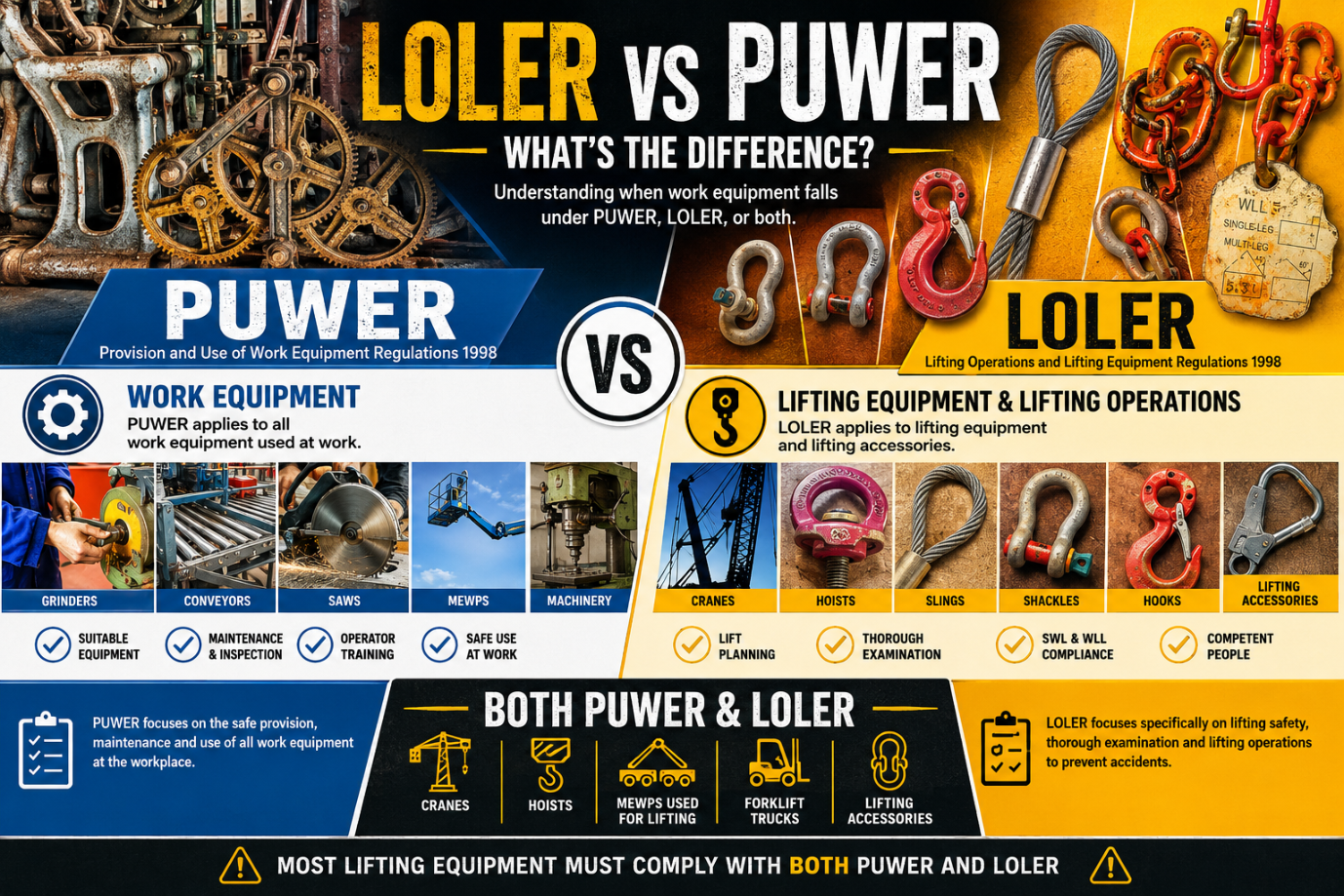
Breach LOLER 1998 and PUWER 1998 regulations
A trained operator understands how to assess loads, configure stabilisers properly, and safely operate in restricted spaces.

🎓 What Does Kentra’s Training Cover?
At Kentra Training, our NPORS-accredited Spider Crane Course combines expert instruction with hands-on experience. Whether you’re new to compact cranes or looking to update your certification, we’ve got a course to suit.
Training topics include:
Health & safety legislation (LOLER/PUWER)
Crane components and control systems
Ground assessment and setting up outriggers
Safe slinging and signalling practices
Load capacity awareness and boom positioning
Risk assessments and lift planning
Manual handling and emergency procedures
Practical and theory assessments
Training can be delivered on-site using your machine, or at a suitable facility.
👷 Who Should Take This Course?
Ideal for:
Crane operators (novice or experienced)
Site managers and lift supervisors
Glazing professionals
Maintenance and facilities teams
Anyone involved in lifting within confined or restricted environment
✅ Why Choose Kentra Training?
With over 25 years of industry experience, Kentra Training is trusted by professionals across the UK for our practical, legally compliant training.
NPORS Accredited
Experienced, friendly trainers
Site-specific training available
Compliance with HSE requirements
Certification on successful completion
Candidates successfully completing this course will receive one of the following:
- Kentra Training course validation and plastic (credit card size) ID card
- NPORS traditional registration and plastic ID card N140 Compact Crane
- NPORS/CSCS registration and plastic ID card C140 Mini Compact Crane
2 year Red card – No NVQ
5 year Blue card – if you hold a NVQ for Excavations
If NPORS is required we will need to notify them prior to the course, so please mention this when booking.
Our instructor will take the candidates picture on the day of training, which will appear on their ID cards.

📅 Book Your Training
Need to train your team or get certified to operate a spider crane?
📞 Call us: 01606 832 556
📧 Email: office@kentratraining.co.uk
🌐 Book online: Get in Touch
Kentra Training – Lifting Confidence, Securing Safety.
More details are available on our other Compact Crane Training blogs:
Compact Crane – our A 2 Z of Safety Training
Official N140 NPORS Compact Crane Training
N140 Compact Crane Course Details
Our awarding body is National Plant Operators Registration Scheme – NPORS.com





Leave A Comment